

All posts by nastadmin

PHILIPPINE STANDARD TIME

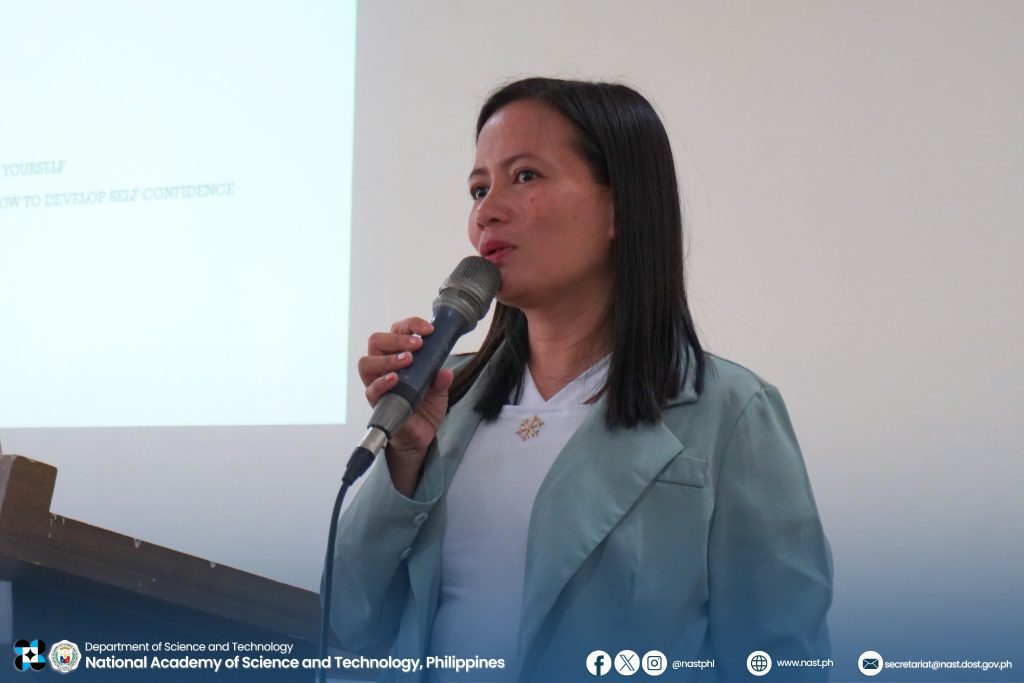
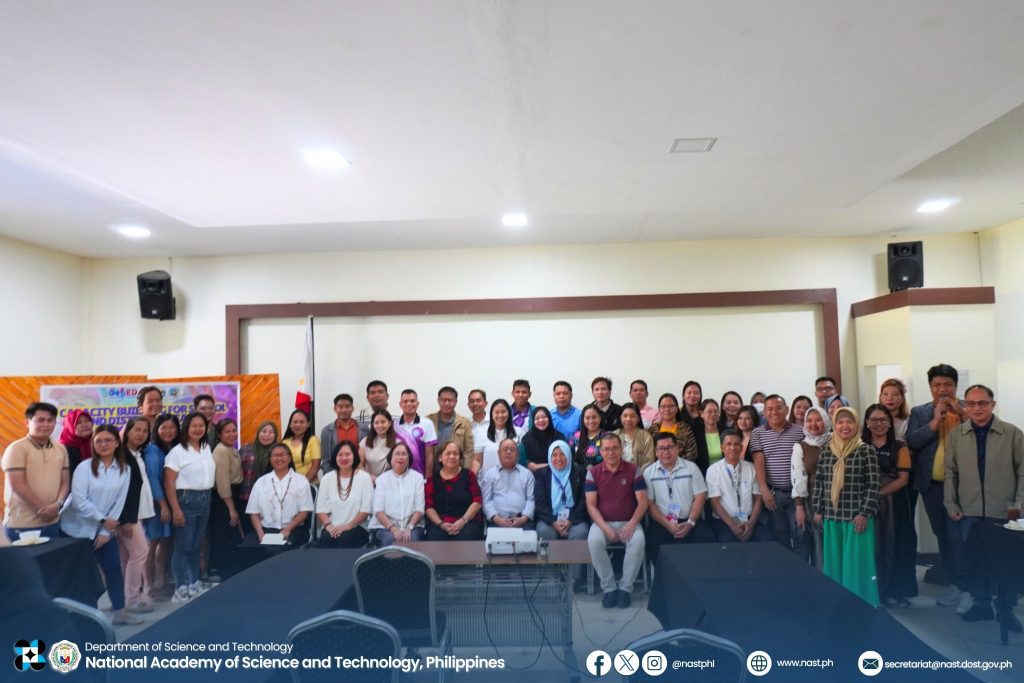
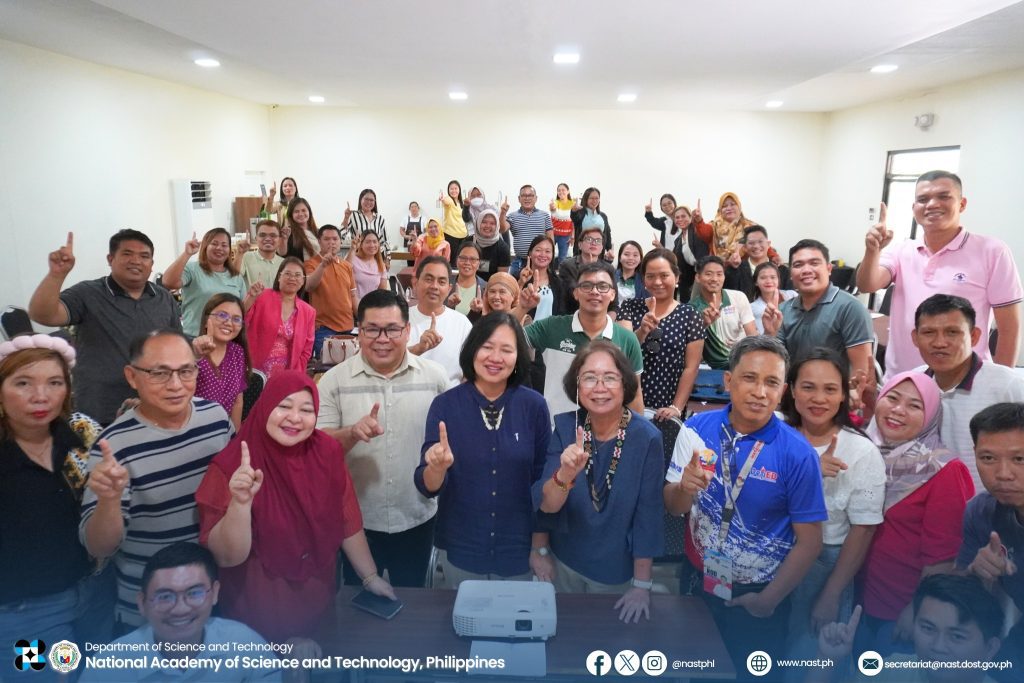
DOST Luzon Regional Leaders Train in Futures Thinking for PAGTANAW 2050

Post Views  

MUNTINLUPA CITY – To bridge the critical divide between national vision and regional reality, the National Academy of Science and Technology, Philippines (NAST PHL) has spearheaded SANDIWA: Building Regional Capacities in Futures Thinking for Indicators Development. By engaging the University of the Philippines National College of Public Administration and Governance – Governance Futures Laboratory (UP NCPAG-GFL) to facilitate these workshops, NAST PHL directly confronts a long-standing challenge in the Philippine Science, Technology, and Innovation (ST&I) ecosystem: the absence of an integrated, evidence-based indicator framework capable of capturing the dynamic nature of innovation across the nation’s diverse regions.
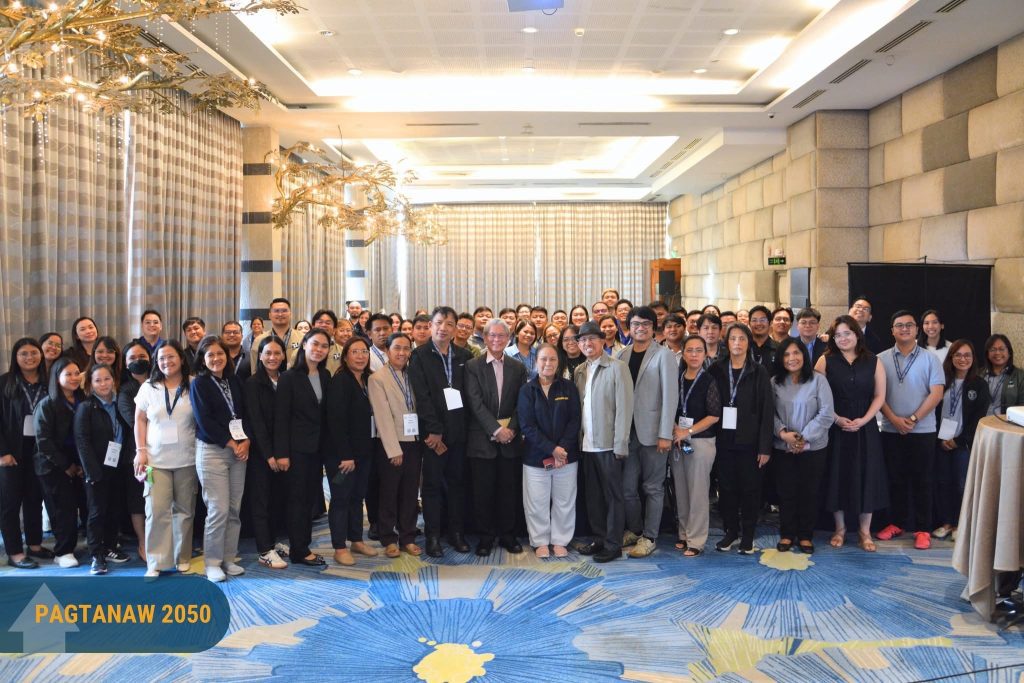
SANDIWA contributes directly to Project 1: Development of the PAGTANAW 2050 ST&I Foresight Indicators under the overarching DOST ST&I Foresight Development Program. This project aims to establish robust metrics to track progress across the twelve Key Operational Areas (KOAs) of PAGTANAW 2050, providing a foundation for evidence-based decision-making and long-term policy coherence across the entire DOST system.

While national efforts have advanced foresight-based planning, regional and provincial levels must now strengthen their ability to translate this national long-term vision into measurable, actionable outcomes. SANDIWA specifically commits to cultivating a culture of foresight among DOST provincial offices, enabling them to develop robust, scenario-based indicators aligned with the PAGTANAW 2050 vision.
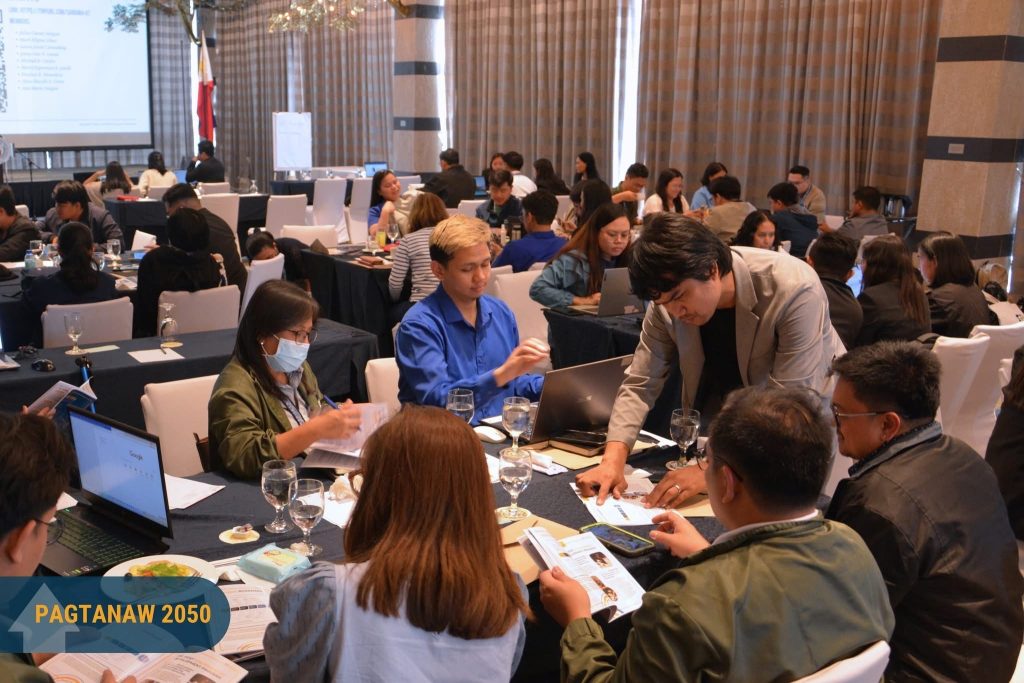
During the intensive, two-day activity, participants map institutional priorities, localize national goals, and co-create indicator systems grounded in local realities. The training utilizes key futures-thinking tools, including scenario building, backcasting, and the futures triangle. These comprehensive exercises empower provincial offices to anticipate future challenges, align institutional strategies with the PAGTANAW 2050 Key Operational Areas, and develop adaptive, forward-looking programs that support sustainable regional growth.

Through this initiative, DOST, through the NAST PHL, aspires to institutionalize foresight-informed governance by bridging the critical gap between national planning and local implementation. Capacitating these offices to apply sophisticated ST&I indicators enhances data-driven decision-making and fosters regional ownership of the country’s long-term vision. The immediate outcomes of SANDIWA, following the integration of all collected indicators, will inform the development of a definitive national ST&I indicator framework to guide policy development and evaluation across all levels of government.

This effort articulates the powerful, shared commitment of DOST and NAST PHL to build a future-ready, innovation-driven Philippines. In this nation, foresight is institutionalized as a core competency in governance and the essential mechanism for national development (Jeremy D. Desales).

PAGTANAW 2050 is the first DOST-funded inter-disciplinal and trans-disciplinal project on Philippine-focused ST&I Foresight and Strategic Plan that would impact the aspirations of the Filipino people on or before 2050: A Prosperous, Archipelagic, and Maritime Nation.

For more information about PAGTANAW 2050, you may visit the NAST PHL website at https://nast.dost.gov.ph/index.php/pagtanaw-2050 and social media accounts through Facebook, Instagram, X, and LinkedIn: @pagtanaw2050
PHILIPPINE STANDARD TIME

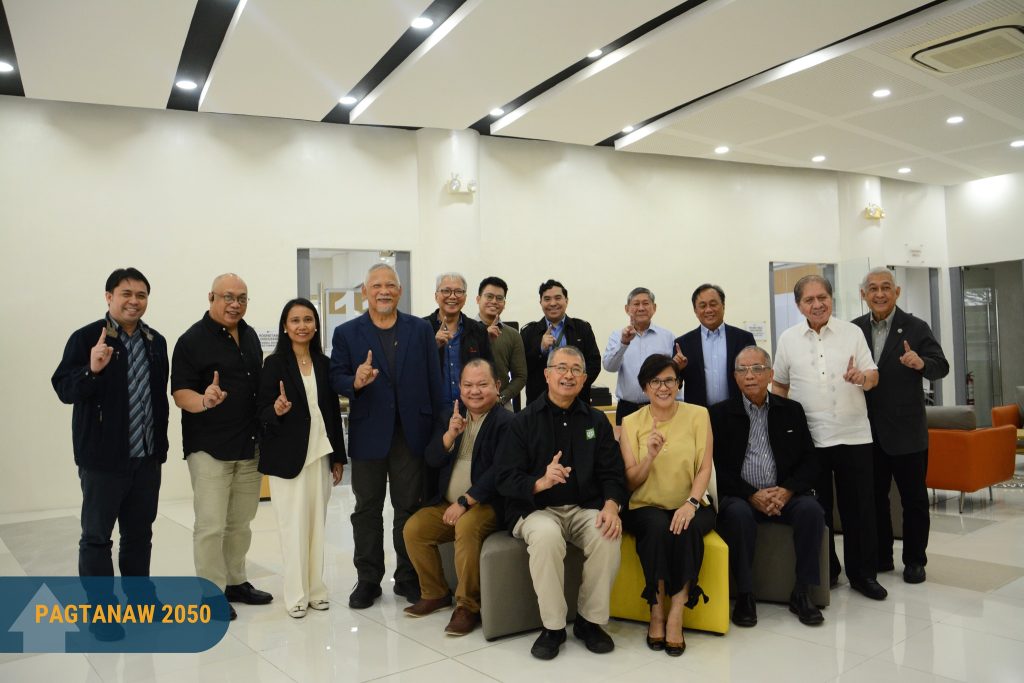
Industry Experts Gather to Review Built Environments, Energy, And Water in PAGTANAW 2050

Post Views  

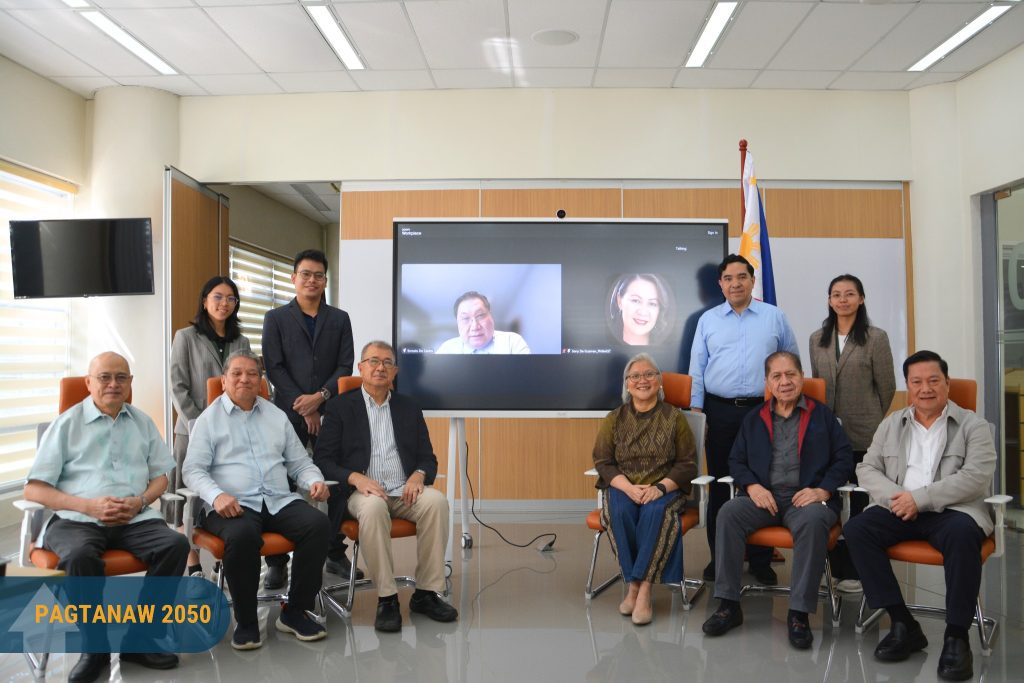
QUEZON CITY — To gather specialized feedback and insights on critical infrastructure sectors in support of the updating of PAGTANAW 2050, the National Academy of Science and Technology, Philippines (NAST PHL), in collaboration with the Philippine Association for the Advancement of Science and Technology (PhilAAST), successfully conducted its second hybrid Roundtable Discussion (RTD) titled “Insights from the Industry: A Roundtable Discussion for the External Review of PAGTANAW 2050 Focusing on Built Environments, Energy, and Water” on 13 November 2025 at the Learning Commons, University of the Philippines Diliman.

Second in a five-part RTD series gathering industry perspectives, this session focused on an in-depth discussion of three (3) of the twelve (12) Key Operational Areas outlined in PAGTANAW 2050—namely Energy, Water, Shelter, Transportation, and Other Infrastructure.

The presentations from the resource speakers underscored the importance of adopting a multidisciplinary approach to national foresight. For the energy sector, experts emphasized grounding future strategies in the “Energy Trilemma”—availability, affordability, and acceptability—to guide the transition toward clean technologies, just energy shifts, and rural electrification. In the built environment, speakers highlighted the urgent need to integrate Building Information Modeling (BIM), Artificial Intelligence (AI), and digital twins to enhance infrastructure resilience, efficiency, and sustainability.

On water security, discussions stressed empowering communities and local institutions by pairing technical solutions with social interventions. Experts also recommended institutionalizing community water safety planning and participatory monitoring, strengthened through conditional financing mechanisms to ensure sustainability and local ownership.

Across all three sectors, speakers called for bridging the country’s significant lag in R&D human resource capacity, integrating disaster waste management systems, and advancing opportunities in the blue economy and indigenous materials to support safer, greener, and more inclusive national development.

Following the presentations, industry experts provided their reactions, insights, and recommendations, drawing from their extensive experience in their respective fields. A primary takeaway was the need for the democratization and accessibility of data to ensure open, timely, and actionable information for decision-making across all sectors.

The discussion concluded with a message of appreciation from Ms. Luningning E. Samarita-Domingo, Director IV of NAST PHL, who thanked PhilAAST, the resource speakers, reactors, and participants for generously sharing their time, expertise, and valuable industry perspectives in support of the PAGTANAW 2050 updating process. — Clarene Bae Barbosa/NAST PHL

PAGTANAW 2050 is the first DOST-funded inter-disciplinal and trans-disciplinal project on Philippine-focused ST&I Foresight and Strategic Plan that would impact the aspirations of the Filipino people on or before 2050: A Prosperous, Archipelagic, and Maritime Nation.

For more information about PAGTANAW 2050, you may visit the NAST PHL website at https://nast.dost.gov.ph/index.php/pagtanaw-2050 and social media accounts through Facebook, Instagram, X, and LinkedIn: @pagtanaw2050
PHILIPPINE STANDARD TIME

“Two Birthdays, One Big Science Party!” Highlights Science, Heritage, and the Next Generation of Filipino Innovators

Post Views  

The National Academy of Science and Technology, Philippines (NAST PHL), together with the Philippine Science Heritage Center (PSHC), marked their milestone anniversaries through a joint celebration titled “Two Birthdays, One Big Science Party!”, held on Tuesday, 16 December 2025, at the Philippine Science Heritage Center, DOST Compound, Bicutan, Taguig City.

More than a commemorative event, the celebration was anchored on a clear goal: to strengthen public appreciation of science, honor Filipino scientific excellence, preserve the nation’s science heritage, and inspire young Filipinos to pursue science and innovation. By bringing together scientists, educators, policymakers, students, and partners, the event underscored the vital role of science in national development and everyday life.

𝘼𝙙𝙫𝙖𝙣𝙘𝙞𝙣𝙜 𝙎𝙘𝙞𝙚𝙣𝙘𝙚, 𝙃𝙤𝙣𝙤𝙧𝙞𝙣𝙜 𝙇𝙚𝙜𝙖𝙘𝙮

The morning program formally commemorated the founding anniversary of NAST PHL and the continued mission of PSHC as the country’s repository of science heritage. Through messages from national leaders and science advocates, the celebration reaffirmed the importance of evidence-based decision-making, scientific leadership, and collaboration in addressing national challenges.

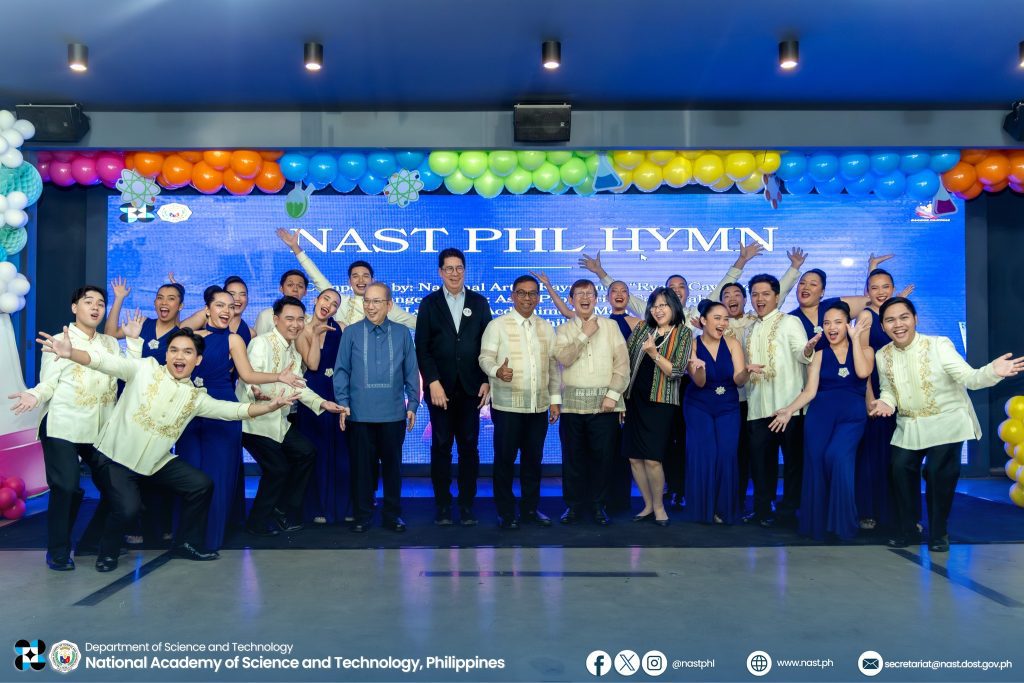
A key highlight of the program was the launch of the Official NAST PHL Hymn, which symbolizes the Academy’s identity, values, and enduring commitment to scientific excellence. The hymn was composed by National Artist Raymundo “Ryan” Cayabyab, with lyrics written by NAST President, Academician Jaime C. Montoya. Its unveiling strengthened institutional pride and unity within the Philippine scientific community.

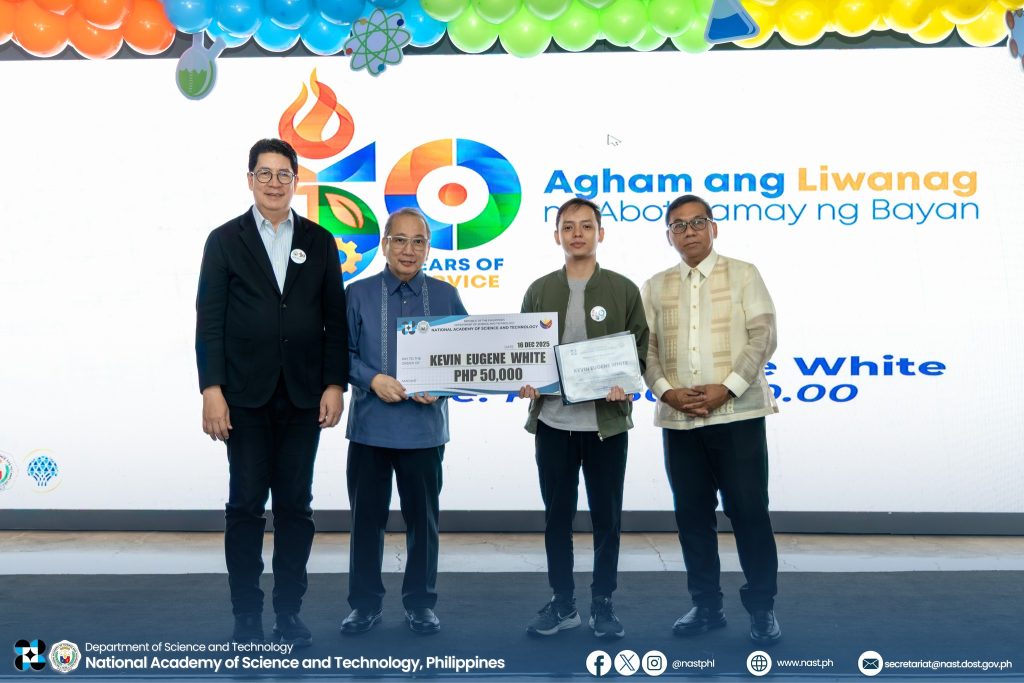
The event also officially unveiled the NAST PHL 50th Anniversary Logo, recognizing creativity and public engagement in celebrating science. The winning designer, Kevin Eugene White from Cebu, received Php 50,000, highlighting NAST PHL’s support for Filipino talent across disciplines.

Inspiring the Next Generation Through Science Engagement

In the afternoon, the celebration shifted its focus to the future through a Science Festival held from 1:00 p.m. to 5:00 p.m., explicitly designed to ignite curiosity and interest in science among young learners. Organized at the PSHC, the festival featured interactive and live science demonstrations led by the Philippine Association of Career Scientists (PACS) and Outstanding Young Scientists, Inc. (OYSI).

Targeting students aged 9 to 15 from selected schools in Taguig and Pateros, the festival made science accessible, engaging, and relevant. Activities showcased real-world applications of science and technology, encouraging students to see science not only as clearly pertinent but also as exciting and achievable.

𝘽𝙪𝙞𝙡𝙙𝙞𝙣𝙜 𝙋𝙖𝙧𝙩𝙣𝙚𝙧𝙨𝙝𝙞𝙥𝙨 𝙛𝙤𝙧 𝙎𝙘𝙞𝙚𝙣𝙘𝙚 𝙖𝙣𝙙 𝙎𝙤𝙘𝙞𝙚𝙩𝙮

The celebration also emphasized the importance of partnerships and collaboration in science communication and education through the signing of memoranda with key institutions, including the Development Academy of the Philippines (DAP), FELTA Multimedia Inc., PACS, and OYSI. These partnerships reflected a shared commitment to expanding science literacy, innovation, and public engagement nationwide.

“Two Birthdays, One Big Science Party!” encapsulated NAST PHL and PSHC’s shared vision of honoring the past, engaging the present, and inspiring the future. By celebrating milestones through meaningful programs, the event reinforced science as a unifying force for progress and a cornerstone of sustainable national development.

PHILIPPINE STANDARD TIME

NAST Philippines Calls for Strengthening National Quality Infrastructure at First National Conference

Post Views  

PASAY CITY, October 29, 2025 – The National Academy of Science and Technology Philippines (NAST PHL) participated in the 1st National Quality Infrastructure (NQI) Conference at the Sheraton Hotel Manila on October 29, 2025. The United Nations Industrial Development Organization (UNIDO) and the Department of Trade and Industry (DTI) organized the event to address how the Philippines can improve its quality infrastructure system.

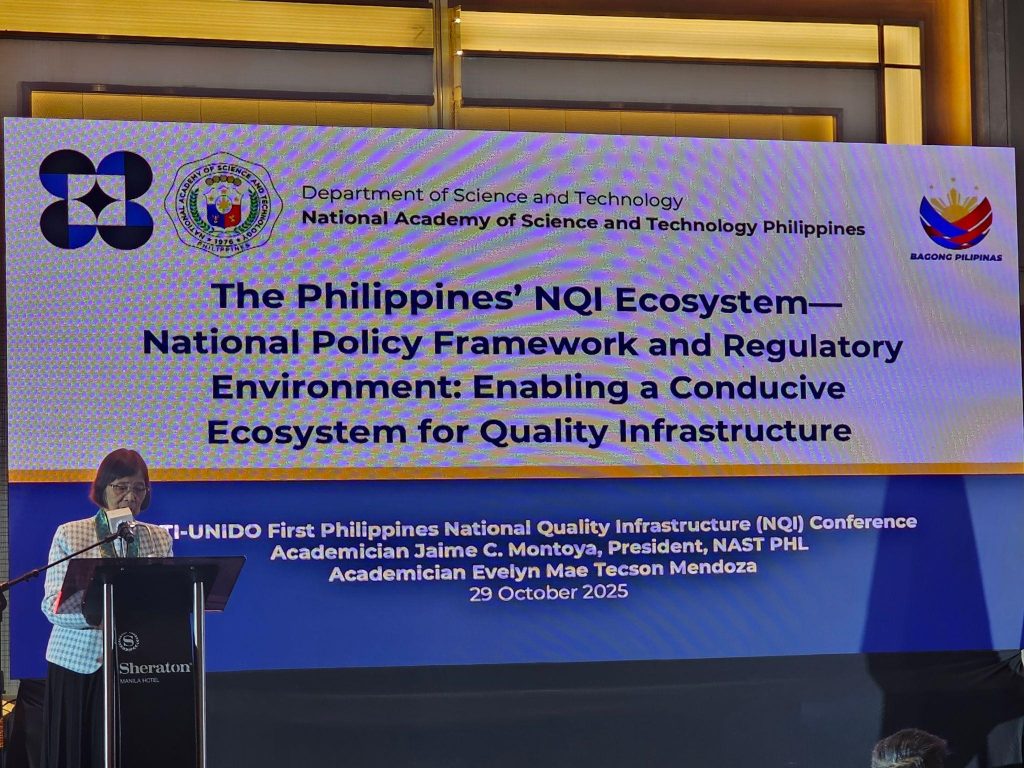
Academician (Acd.) Evelyn Mae Tecson-Mendoza, member of NAST PHL, presented the country’s current NQI ecosystem. The National Quality Infrastructure refers to the system comprising organizations—both public and private—together with the policies, legal and regulatory framework, and practices needed to support and enhance the quality, safety, and environmental soundness of goods, services, and processes. It relies on five core pillars: metrology, standardization, accreditation, conformity assessment, and market surveillance. A strong and coordinated NQI is important for ensuring safe, quality products for domestic consumers and for meeting international market requirements.

Acd. Tecson-Mendoza highlighted gaps that affect both Philippine consumers, and the export competitiveness. The Philippines ranks 6th among nine ASEAN countries in quality infrastructure development. The country faces serious problems: not enough staff in quality agencies, particularly in metrology laboratories, standards bodies, accreditation services—along with limited budgets and no coordinating council to align the different agencies involved. These gaps compromise both the quality of domestic products and physical infrastructures in the country and the competitiveness of Philippine exports, such as when foreign markets reject our products mainly because they do not meet quality standards or have proper documentation.

Acd. Evelyn Mae Tecson-Mendoza, presentation during Plenary Session 3, the Philippines’ NQI Ecosystem

Acd. Tecson-Mendoza presented NAST PHL’s recommendations to address these concerns. The 20th Congress should pass a comprehensive NQI legislation. The President should create an NQI Coordinating Council through Executive Order. Government must increase funding for metrology, standards, and accreditation institutions. This includes addressing the talent deficit through improved retention strategies, hiring larger numbers of qualified technical staff, providing competitive salaries to retain experts, and allocating sufficient operational budgets. Schools and industries need to promote a culture of quality throughout society.

The conference featured international perspectives from UNIDO experts who shared best practices from countries like Colombia, which successfully transformed its fragmented quality systems into a regional benchmark through systematic investment and policy reforms. The discussions reinforced that quality infrastructure is not merely a regulatory burden but an enabling platform that will help Philippine producers meet international requirements, access premium markets, participate in sustainable value chains, and protect domestic markets and consumers from substandard products.

The National Academy of Science and Technology Philippines (NAST PHL), an attached agency to the Department of Science and Technology (DOST), is the premier organization that recognizes achievements in science, technology, engineering, and mathematics (STEM), nurtures emerging scientific talents and serves as the primary advisory body on national ST&I policy and related matters. For more updates, follow NAST Philippines’ (@nastphl) social media accounts.

PHILIPPINE STANDARD TIME

NAST PHL Backs DepEd Sultan Kudarat Drive to Boost S&T-Based Research Among Educators

Post Views  

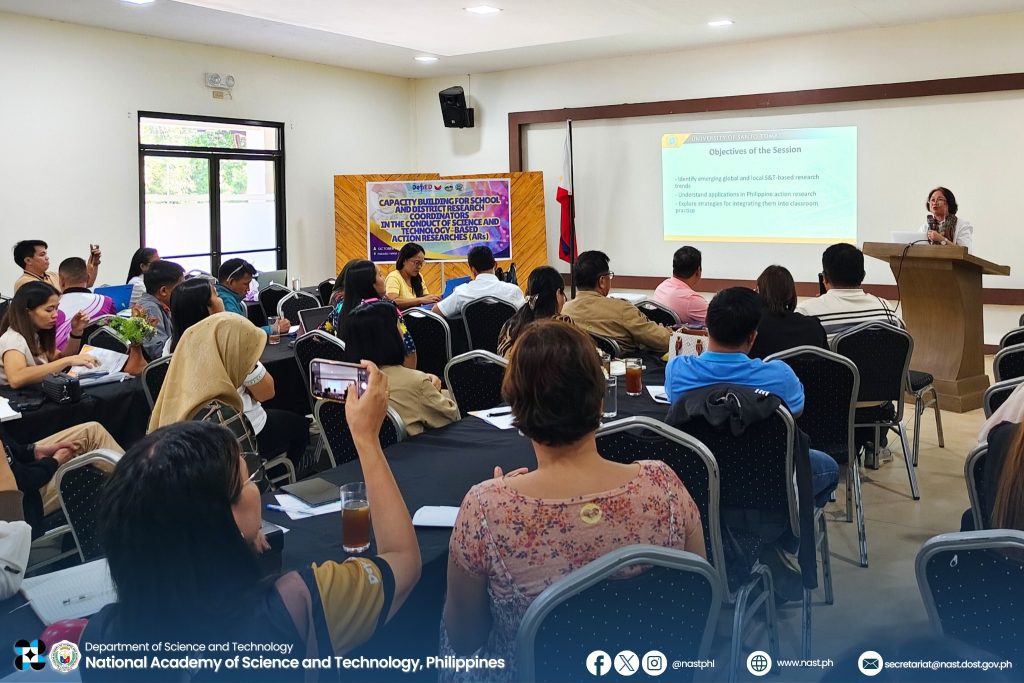
In a bid to strengthen the culture of research and innovation in the education sector, the Department of Education (DepEd) Division of Sultan Kudarat, in partnership with the National Academy of Science and Technology, Philippines (NAST PHL), conducted a three-day Capacity Building for School and District Research Coordinators in the Conduct of Science and Technology-Based Action Researches on 14-16 October 2025, in Koronadal City, South Cotabato.

The training aimed to empower educators to develop and conduct science and technology-based action research – an initiative geared toward addressing persistent challenges in schools through evidence-based and technology-driven solutions.

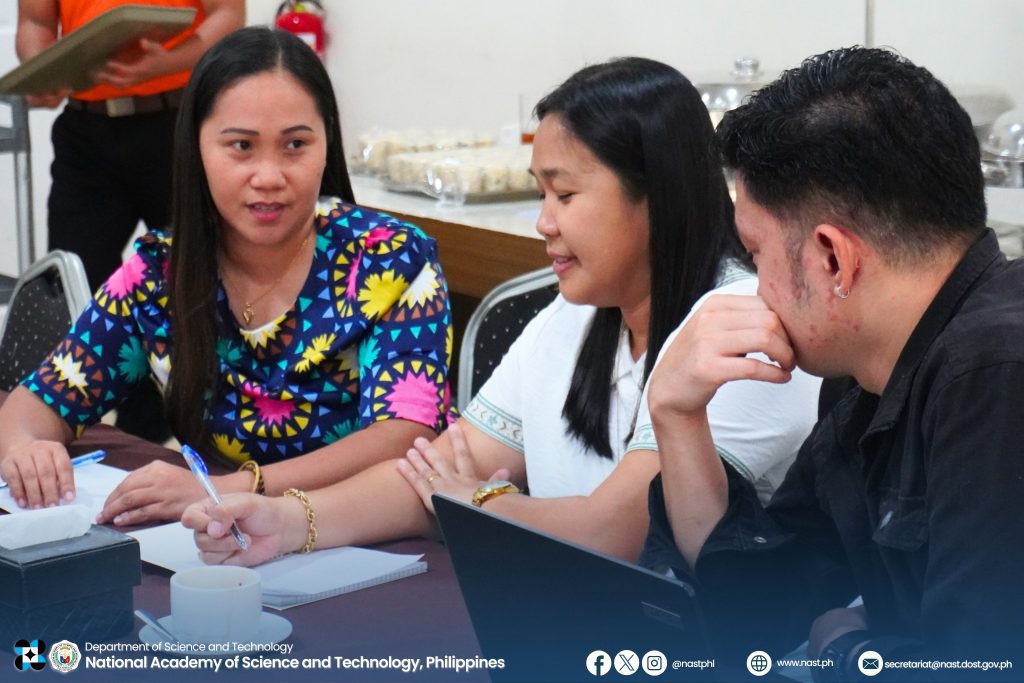
Participants from different municipalities collaborate during the group activity as part of the Capacity Building for School and District Research Coordinators in the Conduct of Science and Technology-Based Action Researches held in Koronadal City.

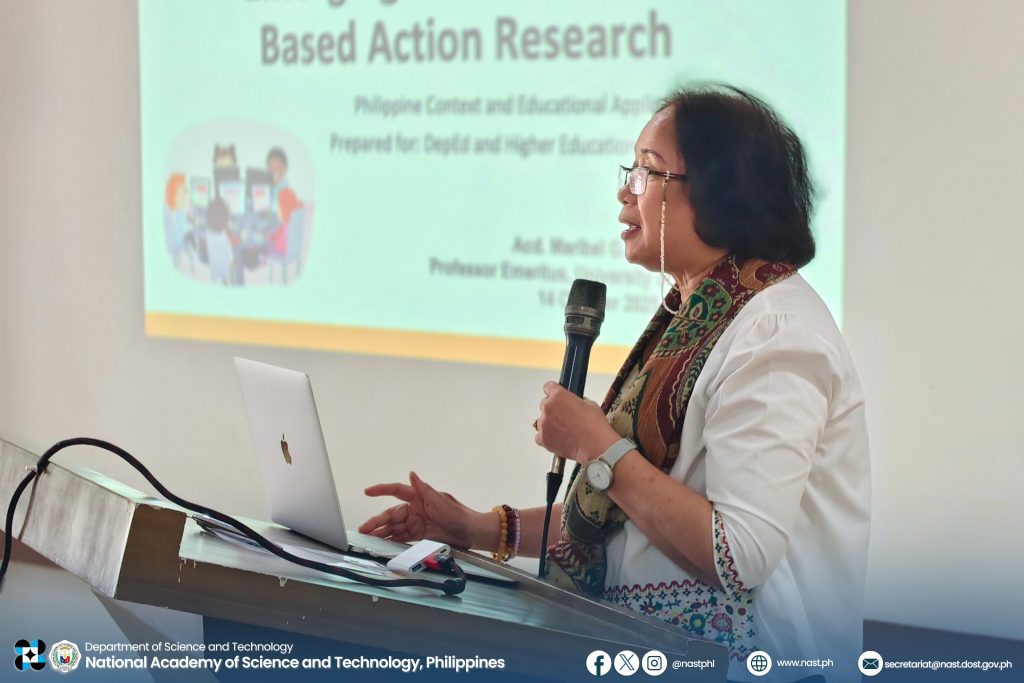
The first day featured sessions led by Acd. Maribel G. Nonato, member of the Mathematical and Physical Sciences Division of NAST PHL, who discussed emerging trends in science and technology-based action research. Participants engaged in a brainstorming activity on prevalent school issues, producing a list of problems and potential S&T-based solutions as their initial output. Acd. Nonato encouraged participants to integrate emerging technologies and interdisciplinary approaches into their research, emphasizing the use of AI, data analytics, and sustainable innovations to address classroom and community challenges. She also highlighted the importance of ethical research practices, particularly in ensuring data privacy and equitable access to technology.

Acd. Maribel G. Nonato leading a session on emerging trends in S&T-based action research.

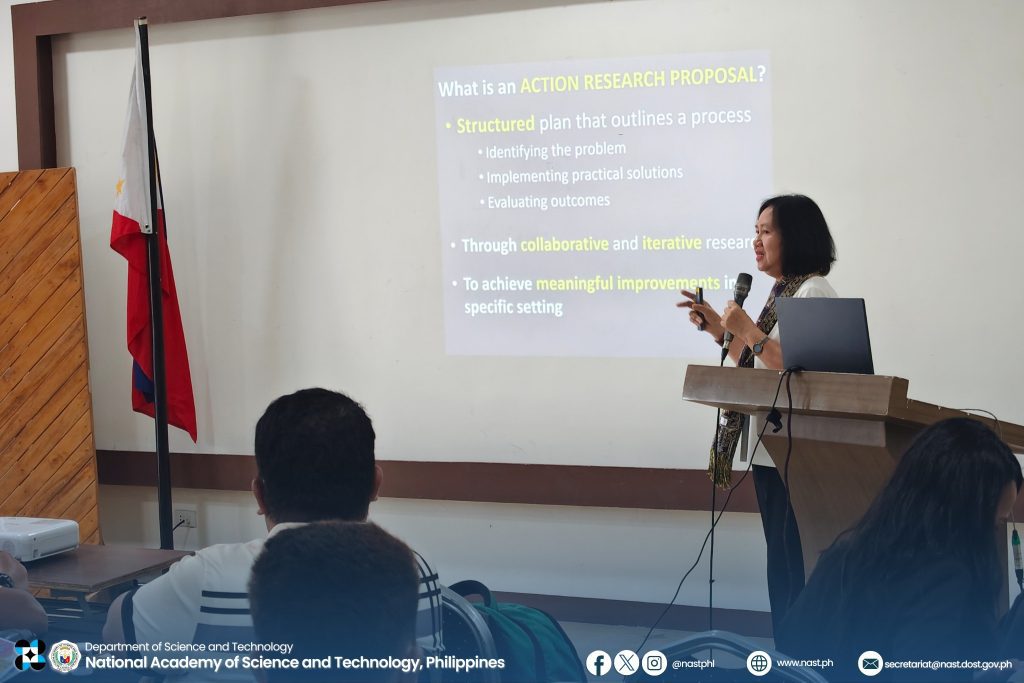
Dr. Maribel Dionisio-Sese, 1995 Outstanding Young Scientist Awardee and Professor 12 at the University of the Philippines (UP) Los Baños, conducted a comprehensive workshop on writing high-quality action research proposals, guiding participants in crafting research titles, defining contexts and rationales, formulating questions, and outlining proposed innovations.

Continuing on the second day, she discussed the selection of appropriate research methods and tools for data analysis, emphasizing the importance of accuracy, credibility, and ethical conduct in research. Dr. Dionisio-Sese called on educators to develop well-structured, ethically sound proposals aligned with the Basic Education Research Agenda (BERA), transform data into actionable insights, and uphold integrity by avoiding fabrication, falsification, and plagiarism.

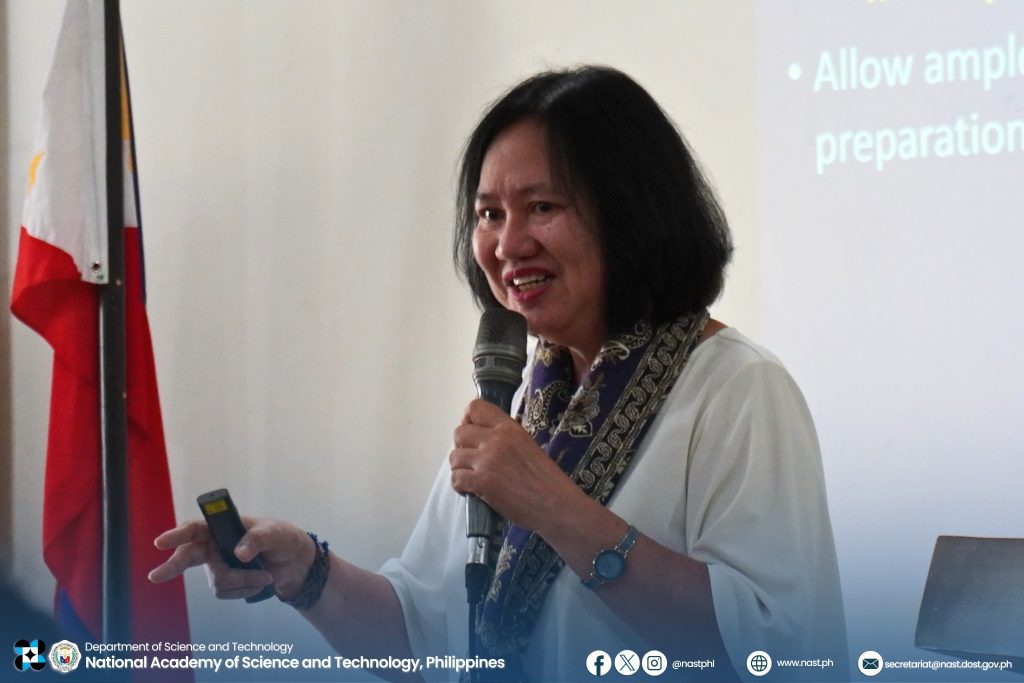
Dr. Maribel Dionisio-Sese, 1995 Outstanding Young Scientist Awardee and Professor at UPLB, conducts a workshop on crafting high-quality research proposals and refining methodologies for educator-led studies.

Meanwhile, Dr. Merdelyn Caasi-Lit, 1999 Outstanding Young Scientist Awardee and Scientist III at UP Los Banos, led sessions on effective strategies for presenting and disseminating research findings and writing publishable research papers. These discussions encouraged educators to share their studies beyond their schools and contribute to the growing body of local education research.

She urged participants to actively disseminate and publish their findings to foster a wider culture of evidence-based education. She also emphasized that teachers should practice clear, confident presentations, seek feedback, and submit their studies to peer-reviewed journals to contribute to the country’s growing body of education research.

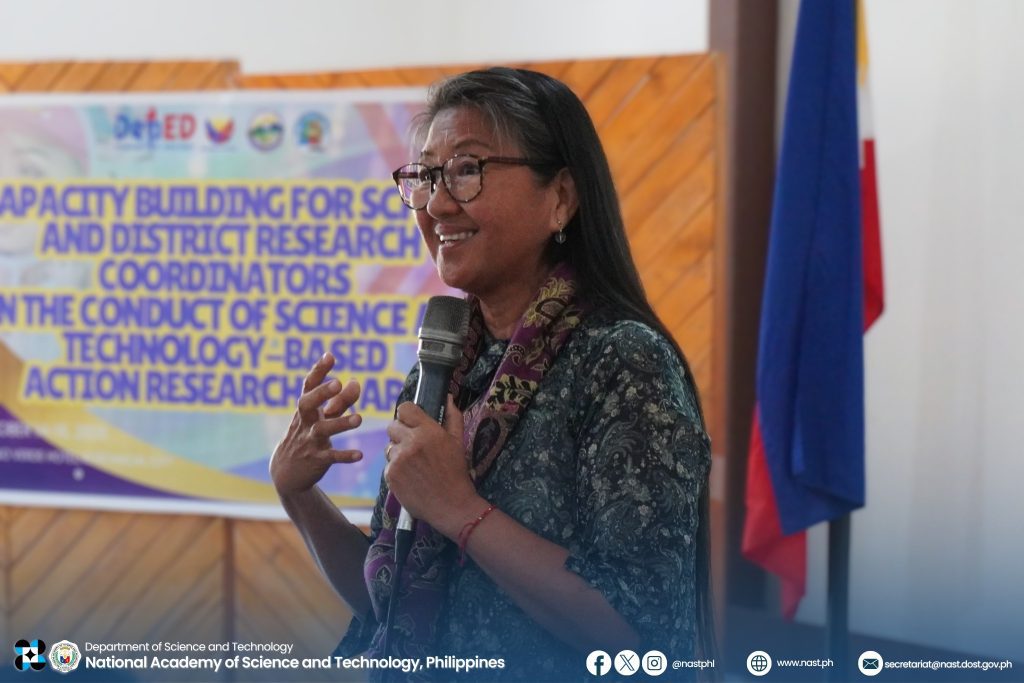
Dr. Merdelyn Caasi-Lit  facilitates a session on effective dissemination of research findings and strategies for publishing educational research.

The final day was devoted to the critiquing and presentation of action research proposals, where participants received feedback from resource speakers. This process allowed educators to refine their outputs for future implementation in their respective schools and districts.

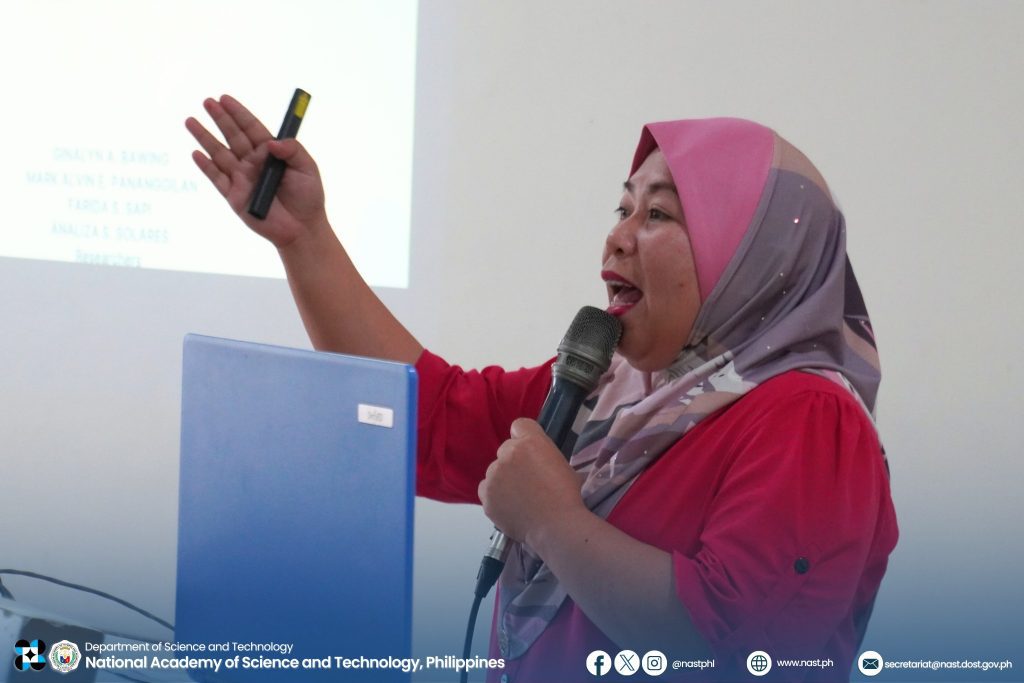
Participants present and defend their action research proposals during the final day of the training, receiving valuable feedback from NAST PHL experts.

Participants were urged to sustain the momentum by forming research clusters within their schools and divisions, mentoring peers, and developing projects that address local education issues through science and technology-based approaches. The workshop concluded with a call for educators to transform classrooms into hubs of innovation where research guides practice, technology enhances learning, and evidence-based solutions drive positive change.

The training also underscored the need to integrate science and research into education policies and practices to ensure that innovations remain ethical, data-driven, and sustainable. As DepEd Sultan Kudarat and NAST PHL continue to promote research-based initiatives, educators are encouraged to apply their learnings and conduct science-driven action research in their schools, with school heads and district supervisors providing mentorship and support to strengthen a technology-enhanced education system (John Nikko V. Espiritu/NAST PHL).

Participants and speakers pose for a group photo during Day 1 (left) and Day 2 (right) of the capacity-building training held in Koronadal City.

The National Academy of Science and Technology, Philippines (NAST PHL) is an attached agency to the Department of Science and Technology (DOST) mandated by law (Executive Order 818 s.1982) to serve as an adviser to the President of the Republic of the Philippines and the cabinet on policies concerning science and technology in the country. For more updates, follow NAST Philippines’ (@nastphl) social media accounts.

PHILIPPINE STANDARD TIME

Charting the Future Together: Industry Experts Join NAST PHL in Reviewing the PAGTANAW 2050

Post Views  

QUEZON CITY — To gather valuable feedback and insights from experts across various industrial sectors in support of the updating of PAGTANAW 2050, the National Academy of Science and Technology, Philippines (NAST PHL), in collaboration with the Philippine Association for the Advancement of Science and Technology (PhilAAST), successfully conducted its first hybrid Roundtable Discussion (RTD) titled “Insights from the Industry: A Roundtable Discussion for the External Review of PAGTANAW 2050” on 14 October 2025 at the Learning Commons, University of the Philippines Diliman.

Serving as a kick-off activity, this first RTD focused on the general assessment of the foresight document. Discussions centered on identifying additional issues and concerns that need to be addressed, examining potential risks and uncertainties, and generating evidence-based insights to guide the document’s enhancement and updating process.

The activity opened with welcoming remarks from Academician Jaime C. Montoya, NAST PHL President, followed by an opening message from Academician Fortunato T. de la Peña, the Academician-in-Charge of the PAGTANAW 2050 updating and President of PhilAAST.

Three distinguished resource speakers shared their expertise during the discussion: Engr. Dante M. Briones, Chairman and CEO of SasonBiSolar; Maj. Gen. Elmir S. Dela Cruz (Ret.); and Engr. Nicanor S. Villaseñor III, President of the Philippine Foundation for Science and Technology.

The presentations collectively underscored the importance of strengthening science, technology, and innovation (ST&I) systems across sectors to better respond to national development needs. Key insights and suggestions gathered from the discussion included the need to enhance support for the agriculture sector, promote equitable access to energy and technology, ensure multi-year funding for ST&I initiatives, prioritize nature-based and green innovations, and embed foresight and evidence-based policymaking as integral functions of governance. These perspectives will serve as valuable inputs in refining and updating the PAGTANAW 2050 foresight document.

Following the presentations, industry experts shared their reactions, insights, and recommendations, drawing from their extensive experience in their respective fields:

  • Engr. Felipe B. Santiago, President, Trident Electronics Corporation
  • Engr. Rodel Emmanuel C. Adiviso, Founding Chairman, Philippine Institute of Industrial Engineers
  • Dr. Raul V. Destura, President and CEO, Manila HealthTek Inc.
  • Engr. Gretchen F. Enarle, President, Samahan sa Pilipinas ng mga Industriyang Kimika
  • Engr. Roberto F. Batungbacal, Vice President, SteelAsia Manufacturing Corporation
  • Engr. Roy Anthony C. Luna, Chairman, AMH Philippines, Inc.

The discussion concluded with a message of appreciation from Ms. Luningning E. Samarita-Domingo, Director IV of NAST PHL, who expressed gratitude to PhilAAST, the resource speakers, reactors, and participants for generously sharing their time, expertise, and valuable industry perspectives in support of the PAGTANAW 2050 updating process. — Clarene Bae Barbosa/NAST PHL

PAGTANAW 2050 is the first DOST-funded inter-disciplinal and trans-disciplinal project on Philippine-focused ST&I Foresight and Strategic Plan that would impact the aspirations of the Filipino people on or before 2050: A Prosperous, Archipelagic, and Maritime Nation.

For more information about PAGTANAW 2050, you may visit the NAST PHL website at https://nast.dost.gov.ph/index.php/pagtanaw-2050 and social media accounts through Facebook, Instagram, X, and LinkedIn: @pagtanaw2050
PHILIPPINE STANDARD TIME

NAST PHL Holds Paper Presentation of Finalists for the 2025 Outstanding Research and Development Award

Post Views  

BICUTAN, TAGUIG CITY – The National Academy of Science and Technology, Philippines (NAST PHL) successfully conducted the 2025 Outstanding Research and Development Award (ORDA) Paper Presentation of Finalists on 22 September 2025 via Zoom and Facebook Live.

Ten (10) nominees vied for the highly coveted award for basic and applied research categories. This year’s selected nominees and their entry papers were:

I. Julian A. Banzon Medal for Applied Research

  1. DR. CHRISTINA A. BINAG, University of Santo Tomas – “Polypyrrole on pineapple (Ananas comosus) and water hyacinth (Eichhornia crassipes) polyester blended textiles as promising electrode materials for supercapacitor applications”
  2. DR. MARIA VANESSA BARIA-RODRIGUEZ, University of the Philippines Diliman – “Notes on the distribution, ecology, and open sea mariculture trials of the Philippine blue sponge, Xestopongia sp. (Porifera)”
  3. DR. FLOIRENDO P. FLORES, University of the Philippines Los Baños – “Physicochemical, Textural, and Protein Digestibility Properties of Extruded Meat Analogs Prepared from Rice Bran Protein Concentrate and Black Soybean (Glycine max L. cv. Tudela)
  4. DR. ANDREW D. MONTECILLO, University of the Philippines Los Baños – “LAMPPOST: Livestock and Avian Molecular Pathogenomics for Precision Outbreak Surveillance and Tracking”
  5. DR. DAVID P. PEÑALOZA, JR., De La Salle University – “Modified abaca fiber prepared by radiation-induced graft polymerization as a reinforcement for unsaturated polyester resin composites”

II. Eduardo A. Quisumbing Medal for Basic Research

  1. DR. JOSEPH Q. BASCONCILLO, Department of Science and Technology – Philippine Atmospheric, Geophysical and Astronomical Services Administration – “Influence of Multiyear Variability on the Observed Regime Shifts in Philippine Climatology”
  2. MR. DEO CARLO E. LLAMAS, Department of Science and Technology – Philippine Institute of Volcanology and Seismology – “Surface Rupture and Fault Characteristics Associated With the 2020 Magnitude (Mw) 6.6 Masbate Earthquake, Masbate Island, Philippines”
  3. DR. REY DONNE S. PAPA, University of Santo Tomas – “Shifts in the feeding ecology of the endemic and Endangered Sardinella tawilis in Lake Taal, Philippines”
  4. DR. BETCHAIDA D. PAYOT, University of the Philippines Diliman – “Melt generation and magma storage conditions of primitive arc lavas in the Macolod Corridor, southwestern Luzon arc, Philippines”
  5. DR. WILFRED JOHN E. SANTIAÑEZ, University of the Philippines Diliman – “Molecular-assisted taxonomic study on the Sargassum C. Agardh (Fucales, Phaeophyceae) in northwestern Luzon, Philippines”

The event was presided over by the Board of Judges, headed by National Scientist Lourdes J. Cruz (Chair), with members Academician Rhodora V. Azanza, Academician Ruben L. Villareal, Academician Angel L. Lazaro III, Academician Jaime C. Montoya, and Engr. Alex Sy. Dr. Andres Philip Mayol, 2025 Outstanding Young Scientist, served as the moderator and master of ceremonies.

The awards are given to individuals or groups who have made outstanding contributions through basic and applied research. The winners will receive plaques of recognition, medals, and a cash prize of PHP 200,000 during the celebration of the National Science and Technology Week on November 18, 2025, in Ilocos Norte.

The National Academy of Science and Technology, Philippines (NAST PHL) is an attached agency to the Department of Science and Technology (DOST), mandated to recognize outstanding achievements in scientific research and development, advise the President and the cabinet on matters related to S&T, and engage in projects and programs that promote scientific productivity. For more details, visit NAST Philippines’ social media accounts @nastphl.

PHILIPPINE STANDARD TIME

National Academy of Science and Technology Philippines Calls for Urgent Action to Boost Export Competitiveness Through Quality Infrastructure

Post Views  

Taguig City, Philippines — The National Academy of Science and Technology Philippines (NAST PHL) today issued a compelling call for the government to prioritize strengthening the country’s National Quality Infrastructure (NQI) system, citing its critical role in boosting Philippine exports and economic growth.

The Philippines currently ranks 57th globally in quality infrastructure development, trailing behind regional neighbors Vietnam (52nd), Malaysia (33rd), Singapore (29th), Thailand (28th), and Indonesia (27th), according to the 2023 Global Quality Infrastructure Index.

NQI is the system comprising public and private organizations, policies, legal frameworks, and practices that ensure the quality, safety, and environmental soundness of goods, services, and processes. It enables domestic markets to function effectively while providing the international recognition needed to access foreign markets.

As a critical element for economic development and social wellbeing, NQI relies on five key components: metrology (measurement standards), standardization (setting product standards), accreditation (verifying competence), conformity assessment (testing and certification), and market surveillance (monitoring compliance). Together, these components help Philippine businesses prove their products meet both local and international requirements.

Key Recommendations for Government Action:

  1. Pass Priority Legislation – NAST PHL urges the 20th Congress to prioritize comprehensive NQI legislation to modernize and integrate the country’s quality systems.
  2. Create a Coordinating Council – Establish a National Quality Infrastructure Coordinating Council through a Presidential Executive Order to align all quality-related government agencies.
  3. Increase Budget Support – Provide adequate funding to strengthen personnel and facilities of NQI agencies, addressing current shortages of staff and resources.
  4. Support Businesses – Offer incentives like tax exemptions for companies pursuing quality certifications and provide better information about export requirements.
  5. Promote Quality Culture – Integrate quality awareness in education from primary school to university level.

Studies show that countries with strong quality infrastructure systems experience higher export growth and better protect consumers. The correlation between QI development and exports stands at 88%, indicating that improving the Philippines’ quality systems could significantly boost trade performance.

The Academy’s recommendations come as the Philippine Development Plan 2023-2028 identifies NQI strengthening as a strategic priority for trade promotion and economic development.

The National Academy of Science and Technology Philippines (NAST PHL), an attached agency to the Department of Science and Technology (DOST), is the premier organization that recognizes achievements in science, technology, engineering, and mathematics (STEM) and nurtures emerging scientific talents and serves as the primary advisory body on national ST&I policy and related matters. For more updates, follow NAST Philippines’ (@nastphl) social media accounts.

PHILIPPINE STANDARD TIME

From Breakthroughs to Brilliance: NAST PHL Holds Awarding Ceremony for 2025 Awardees

Post Views  

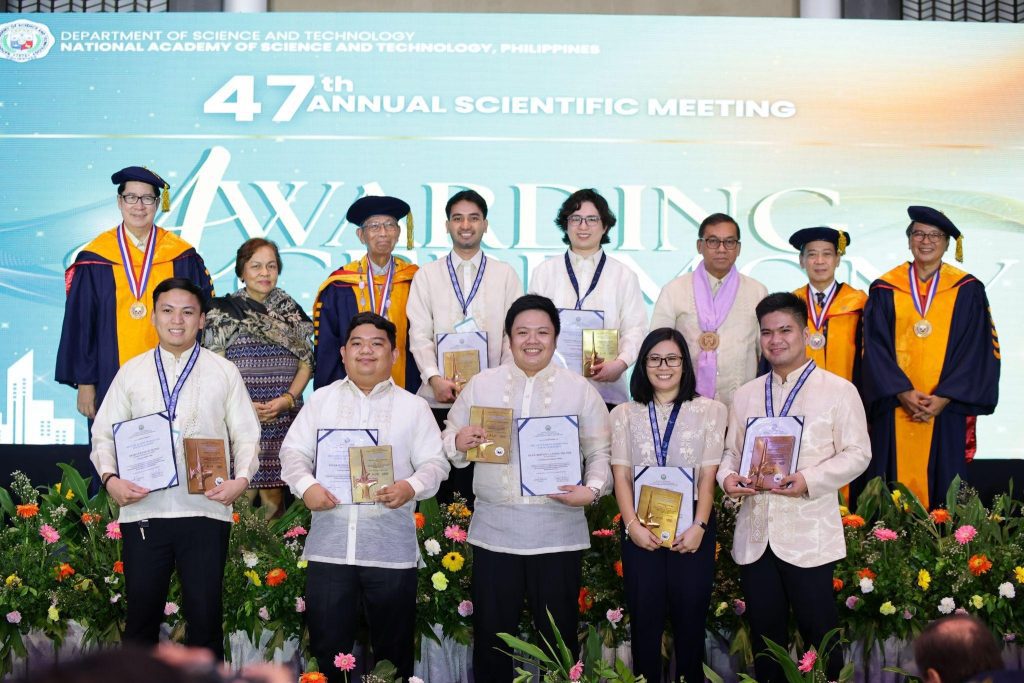
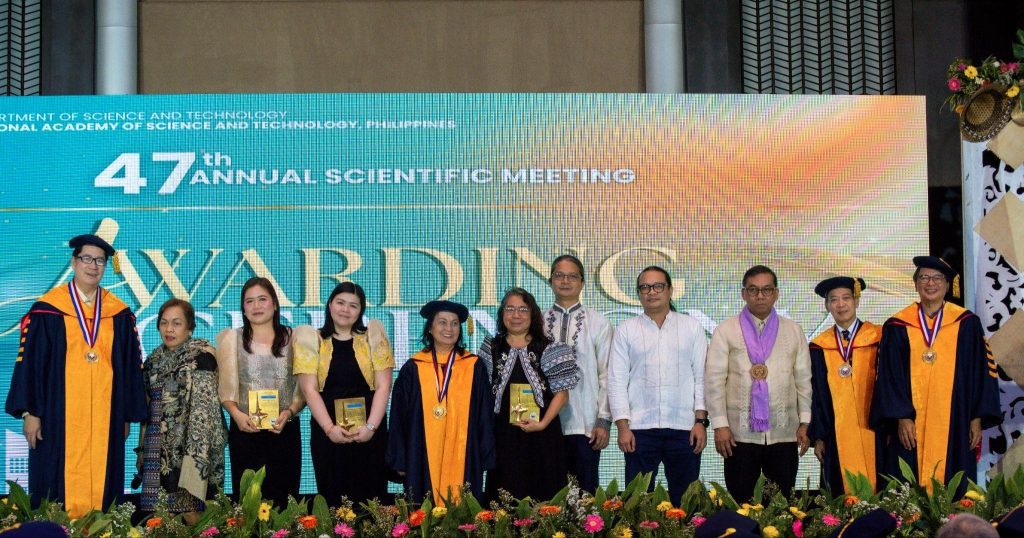
MANILA, Philippines – The National Academy of Science and Technology, Philippines (NAST PHL), the highest recognition body for science and technology, successfully conducted the awarding ceremony for the different award categories of the 2025 NAST PHL awards on July 10, 2025. The ceremony was part of the most anticipated 47th Annual Scientific Meeting (ASM) held at The Manila Hotel on July 9-10.

The Awarding Ceremony recognized new members of the Academy, the 2025 Outstanding Young Scientists, and researchers who have demonstrated significant scientific contributions to science and technology in the country. The detailed list of the 2025 NAST PHL awardees is as follows:

INVESTITURE OF NEWLY ELECTED NAST MEMBERS

Membership in the Academy is by peer recognition and carries with it the title of “Academician”. Elected as Academicians are resident Filipino scientists who have made exemplary contributions to science and technology and have advanced its cause in the Philippines.

Three (3) new Academicians were conferred during the awarding ceremony:

  • WILFREDO ROEHL Y. LICUANAN, PhD (Marine Ecology)
  • LEOCADIO S. SEBASTIAN, PhD (Plant Breeding)
  • CHARLES Y. YU, MD, MS (Pulmonary/Infectious Disease)

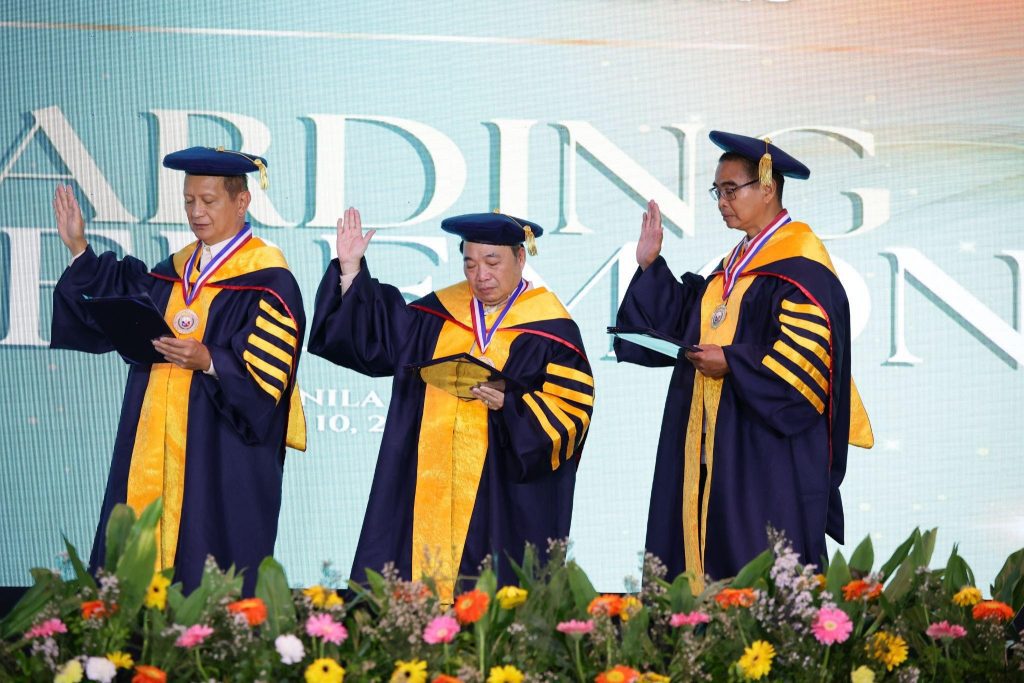
The oath-taking of the Newly-Elected NAST Members (From left): Academician Leocadio S. Sebastian, Academician Charles Y. Yu, and Academician Wilfredo Roehl Y. Licuanan during the 47th Annual Scientific Meeting.

OUTSTANDING YOUNG SCIENTIST (OYS) AWARD

The Outstanding Young Scientist (OYS) Award is given to young Filipino scientists aged 40 and below who have made significant contributions to science and technology.

For this year, the recipients of the Outstanding Young Scientists award are:

  • ROWALT C. ALIBUDBUD, MD, MH (Psychiatry and Health Social Sciences) – De La Salle University
  • GARRY A. BENICO, PhD (Aquatic Bioscience) – Central Luzon State University
  • JAKE ROM D. CADAG, PhD (Geography and Spatial Planning) – University of the Philippines Diliman
  • MARK S. CALABON, PhD (Biological Sciences) – University of the Philippines Visayas
  • ROLANDO T. CANDIDATO, JR., PhD (Ceramic Materials and Surface Treatment – Physics) – Mindanao State University-Iligan Institute of Technology
  • FRESTHEL MONICA M. CLIMACOSA, MD-PhD (Molecular Medicine) – University of the Philippines Manila
  • MAY ANNE E. MATA, PhD (Interdisciplinary Studies – Applied Mathematics) – University of the Philippines Mindanao
  • EXCEL RIO S. MAYLEM, PhD (Animal Science) – Philippine Carabao Center
  • ANDRES PHILIP MAYOL, PhD (Mechanical Engineering) – De La Salle University
  • MELISSA P. MONTECALVO, MS (Plant Pathology) – University of the Philippines Los Baños

Each awardee was given a NAST PHL trophy and a cash prize of PHP 150,000. Each awardee is also entitled to a research grant of PHP 1 million from DOST for an approved research proposal.

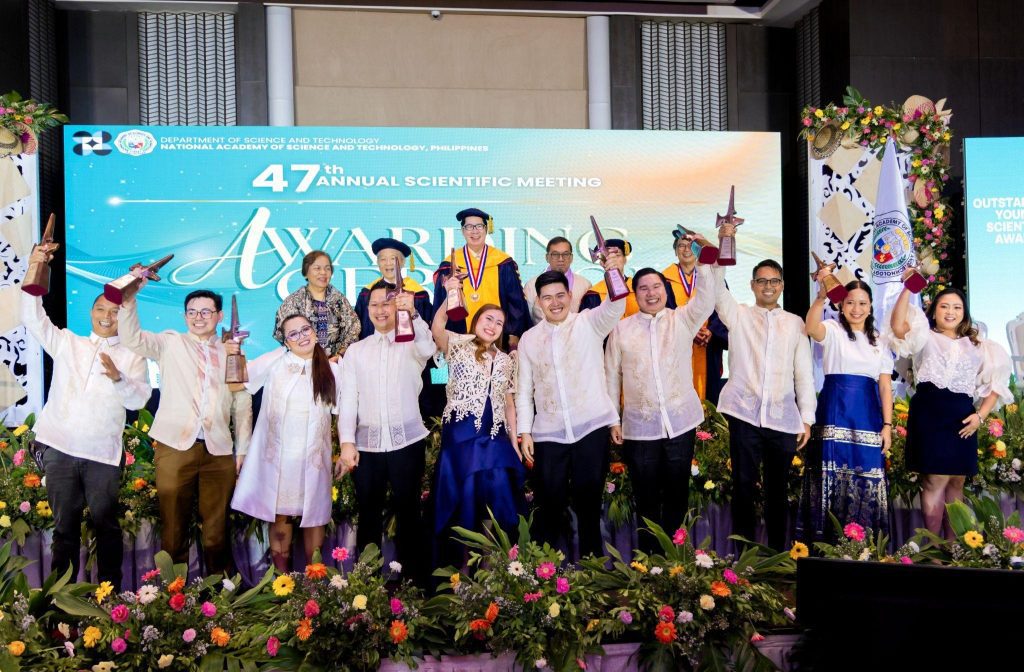
(From left) Dr. Jake Rom D. Cadag, Dr. Rowalt C. Alibudbud, Dr. May Anne E. Mata, Dr. Rolando T. Candidato, Dr. Fresthel Monica M. Climacosa, Dr. Andres Philip Mayol, Dr. Mark S. Calabon, Dr. Garry A. Benico, Ms. Melissa P. Montecalvo, and Dr. Excel Rio S. Maylem celebrate their significant milestone, holding their trophies during the awarding of the 2025 Outstanding Young Scientists.

OUTSTANDING BOOK/MONOGRAPH (OBM) AWARD

The Outstanding Book/Monograph (OBM) Award is given annually for books and/or monographs published by Filipino publishers based in the Philippines within five years preceding the award, with the majority of the authors of the publication being Filipinos. Each awardee received a plaque of recognition and a cash prize of PHP 25,000.

This year’s Outstanding Book/Monograph awardees are:

  • Fernando, E.S. and Quimado, M.O. (2023). Ultramafic Flora of the Philippines- An Introduction to the Seed Plant Diversity on Philippine Ultramafics. University of the Philippines Los Baños, 274 p.
  • Mallari, N. A., Rosales, R. M., Castillo, G., Delos Angeles, M., Francisco, H., Orbeta, E., Predo, C., Arcenas, A., Balangue, T., Lasmarias, N., Coroza, O., Masigan, J. P., Bautista, M. A., Edaño, J. W., Jimenez, J. P., Palermo, F., Parr, R. A., Shiraishi, J., Tee, C. K., Abdao, D. R. (2024). Sukat ng Kalikasan. Department of Environment and Natural Resources.
  • Ferrera, C.M., San Diego-McGlone, M.L., Santos, M.M., Foronda, J.B., Santiago, J.A., Lagman M.C., Lagumen, M.C., & Gotanco, R.J.R. (2022). Guidebook on coral reef-associated organisms collected from Autonomous Reef Monitoring Structures (ARMS) in the Philippines: A tool for capacity building in monitoring biodiversity at selected reef sites in the Philippines. University of the Philippines Marine Science Institute, Volume 1, 221 pp.
  • Guevara, A.P., Villaseñor, I., Reyes, M., Dalisay, D., & Alvero, R.G.Y. Tuklas Lunas: A Decade of Research Innovation, and Technology Advancement in Health Products. Philippine Council for Health Research and Development
  • Dacudao, Patricia Irene. 2023. Abaca Frontier: The Socioeconomic and Cultural Transformation of Davao, 1898-1941. Quezon City: Ateneo de Manila University Press.
  • Orbeta, Aniceto, Kris Ann Melad, & Nina Victoria Araos. “Reassessing the Impact of the Pantawid Pamilyang Pilipino Program: Results of the Third Wave Impact Evaluation.” Research Paper Series, December 2023. https://doi.org/10.62986/rps2023.06.
  • Raymundo, A. D. 2023. Abaca Virus Diseases: Epidemics and Control. The University of the Philippines Press, E. de los Santos St., UP Campus, Diliman, Quezon City 1101, 286pp.

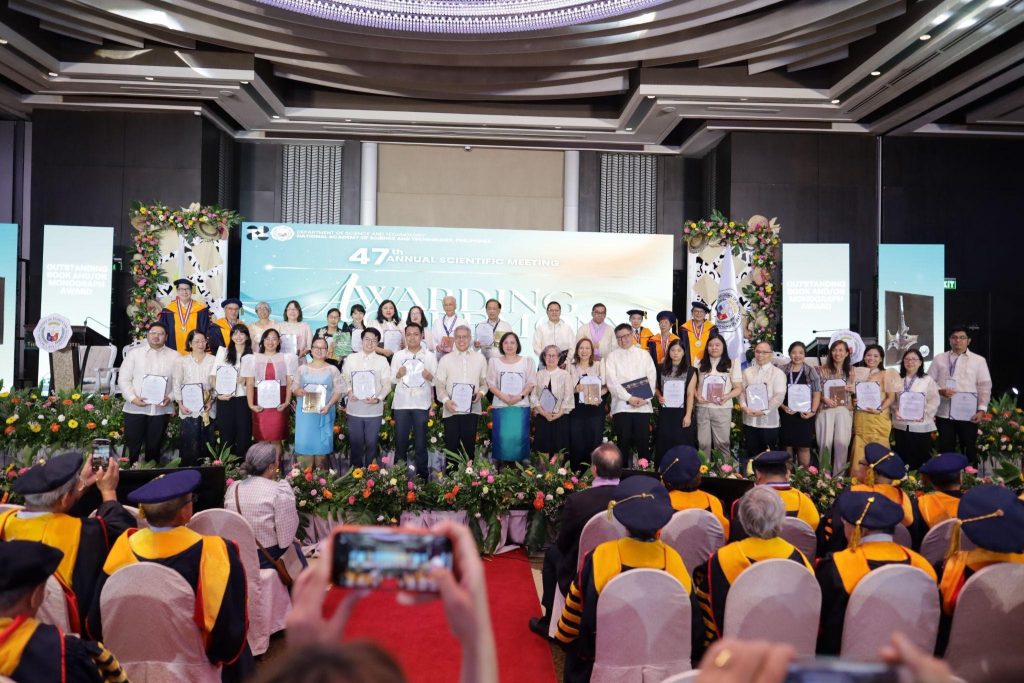
The recipients of the 2025 Outstanding Scientific Paper Award proudly accept their certificates and plaques in recognition of their published scientific articles in local journals

NAST AWARD FOR OUTSTANDING RESEARCH IN TROPICAL MEDICINE (NAORTM)

The NAST Award for Outstanding Research in Tropical Medicine (NAORTM) is intended to recognize outstanding research works that contribute to the advancement of the country’s knowledge and practice in Tropical Medicine. The winner, PILARITA TONGOL RIVERA, MD, PhD (Medical Science), received a plaque of recognition and a PHP 150,000 cash incentive.

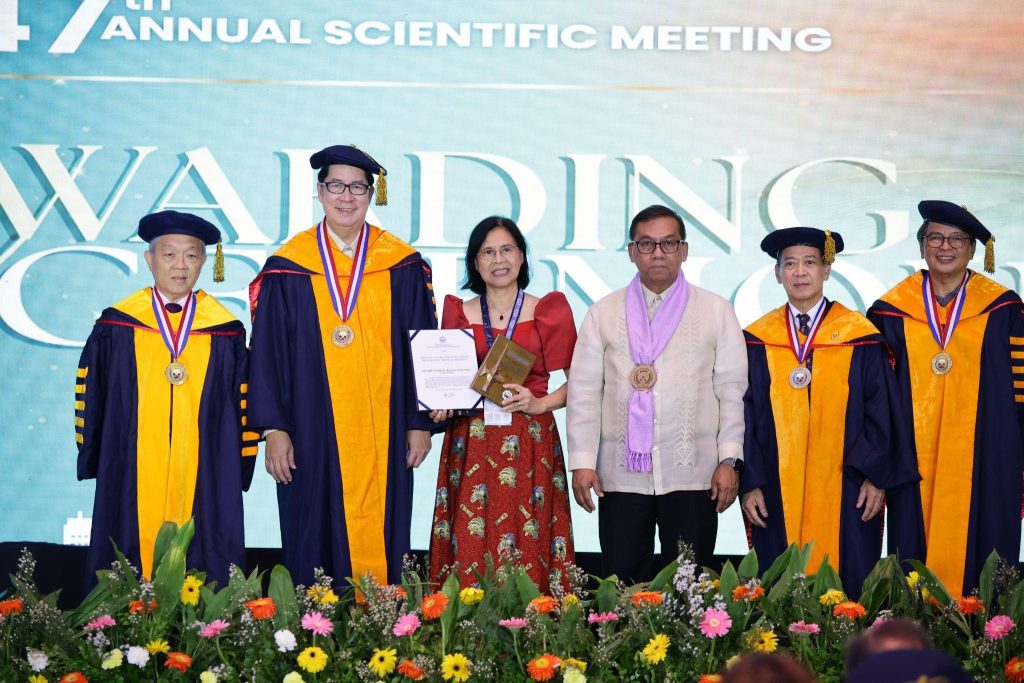
Dr. Pilarita Tongol Rivera accepts her plaque of recognition that serves as a testament to her outstanding research in the field of Tropical Medicine

NAST TALENT SEARCH FOR YOUNG SCIENTISTS (NTSYS)

The NAST Talent Search for Young Scientists (NTSYS) is a project of NAST PHL to encourage young people to pursue a career in science. The winners were decided after the paper presentation of the finalists held on May 5, 2025.

The winners of NTSYS are:

  • First Prize: ISAIAH PAOLO A. LEE, PhD (Molecular and Evolutionary Systems Biology) – University of the Philippines Diliman
  • Second Prize: VICTOR MANUEL R. ARICHETA, PhD (Mathematics) – University of the Philippines Diliman

Special Citations:

  • LEILANI S. DACONES, PhD (Plant Pathology) – University of the Philippines Diliman
  • RYAN CRISTIAN V. LINTAO, MD-PhD (Molecular Medicine) – University of the Philippines Manila
  • EDGAR CLYDE R. LOPEZ, PhD (Chemical Engineering) – University of Santo Tomas
  • BIENSON CEASAR D. NARVARTE, MS (Marine Science) – University of the Philippines Diliman
  • ERNESTO E. PARULI III, PhD (Molecular Engineering and Interaction) – University of Santo Tomas

The winners received plaques of recognition and a cash prize of PHP 100,000 for the First Prize and PHP 50,000 for the 2nd Prize. The First Prize Winner is also entitled to a research grant from the DOST worth PHP 500,000 for an approved proposal. The recipients of the special citations each received a plaque of recognition.

Awardees of the 2025 NAST Talent Search for Young Scientists: Dr. Victor Manuel R. Aricheta, Dr. Isaiah Paolo A. Lee, Dr. Ernesto E. Paruli III, Dr. Edgar Clyde Lopez, Dr. Ryan Cristian V. Lintao, Dr. Leilani S. Dacones, and Mr. Bienson Ceasar D. Narvarte, recognized for their passion and contribution to scientific and technological research

NAST ENVIRONMENTAL SCIENCE AWARD (NESA)

The NAST Environmental Science Award (NESA) is intended to recognize outstanding scientific and technological research work that contributes to environmental protection and conservation.

This year’s NAST Environmental Science Award grand winner is:

  • LAURA T. DAVID, PhD (Physical Oceanography) – University of the Philippines Diliman

Special Citations:

  • CECILIA B. MORAN, Dr. rer. nat. (Biology) – University of Santo Tomas
  • PIERANGELI G. VITAL, PhD (Biology) – University of the Philippines Diliman

The grand winner and recipients of the special citations received plaques of recognition. The grand winner also received a PHP 150,000 cash incentive and is entitled to a PHP 2 million research grant upon approval of a research proposal.

Dr. Laura T. David, Dr. Cecilia B. Moran, and Dr. Pierangeli G. Vital receive their plaques of recognition symbolizing their commitment and dedication to the field of environmental science.

For more details on the various awards and nominations requirements, you may visit the NAST Awards website at awards.nast.ph, and the NAST PHL official Facebook page, @nastphl. The submission deadline for the 2026 NAST PHL Awards nominations is on or before the last working day of November 2025.

The National Academy of Science and Technology, Philippines (NAST PHL) is an attached agency to the Department of Science and Technology (DOST), mandated to recognize outstanding achievements in scientific research and development, advise the President and the cabinet on matters related to S&T, and engage in projects and programs that promote scientific productivity.